
The Allure of Casino Gambling
The world of casino gambling is often portrayed as glamorous and exhilarating, drawing many people into its enticing grasp. The bright lights, the sound of coins clinking, and the thrill of chance create an atmosphere that seems to promise fortune and excitement. This allure can cause individuals to overlook the hidden costs associated with gambling, as they become captivated by the possibility of winning large sums of money through an online casino experience that is both thrilling and risky. The excitement can overshadow the reality that gambling is designed to favor the house, leading many to experience significant financial losses.
Moreover, the stakes in casinos can escalate quickly, especially for those who are new to the environment and may not fully grasp the complexities of the games. Table games like poker or blackjack come with intricacies that require time and experience to master, while slot machines, though seemingly simple, can consume funds rapidly. As players chase losses or try to win big, they can dig themselves deeper into financial trouble, often without realizing the extent until it’s too late. This is a common psychological trap that ensnares many participants.
Additionally, the social aspect of casinos can contribute to the hidden costs of gambling. While many view casinos as venues for entertainment and socialization, they can also encourage unhealthy behaviors. Friends may indulge one another in gambling, leading to a sense of camaraderie that masks the reality of financial implications. As people increasingly feel pressured to participate, the potential for overspending and the accumulation of debts rises, turning what was intended as harmless fun into a serious financial burden.
The Financial Toll of Gambling
The financial consequences of gambling extend beyond mere losses at the tables. Individuals often underestimate how much they actually spend during a night out at the casino. This includes not only the money wagered on games but also the costs associated with travel, meals, and lodging. A night of gambling can quickly become an expensive outing, where the initial budget is easily exceeded. Gamblers may find themselves spending far more than anticipated, leading to feelings of regret and financial strain.
Moreover, the concept of “chasing losses” can exacerbate the financial toll. When players lose money, they often feel compelled to continue playing in hopes of recovering their losses. This mindset can lead to escalating bets and increased financial risk, creating a cycle that can be difficult to break. The phenomenon is not just about individual losses; it can quickly escalate to larger debts that can take months or years to repay, further compounding the stress and financial burden on the individual.

The repercussions of gambling can also affect families and relationships. A player’s financial mismanagement can lead to resentment among family members, who may bear the brunt of the fallout when expenses balloon. This strain can lead to conflict, mistrust, and even the dissolution of relationships as family members cope with the consequences of one person’s gambling behavior. The hidden costs of gambling often extend beyond the individual, affecting loved ones and creating an environment of tension and instability.
Psychological Impacts and Addiction
In addition to the financial toll, gambling can have significant psychological implications for individuals. The thrill of winning can create a powerful rush, leading to a cycle of compulsive behavior that many find difficult to control. This rush releases dopamine in the brain, reinforcing the behavior and creating a desire for more gambling activity. As individuals chase that high, they may neglect other responsibilities, leading to a decline in their overall well-being.
Gambling addiction is a serious concern that can manifest in various forms. Signs of addiction include a preoccupation with gambling, a need to gamble with increasing amounts of money, and restlessness when trying to cut back. This addiction can lead to financial devastation, but it can also result in emotional distress, depression, and anxiety. Many individuals may feel trapped in a cycle of gambling that seems impossible to escape, leading to further isolation and despair.
Moreover, acknowledging that gambling can become an addiction is not always easy. Many people may initially enter the casino with the belief that they can control their spending and behavior. However, once the thrill takes hold, it becomes challenging to maintain that control. Understanding the psychological impacts and recognizing the signs of addiction can be crucial for those who gamble and those around them. Seeking help and support can be vital steps in breaking free from the cycle of addiction.
The Role of Casinos in Promoting Responsible Gambling
While casinos are primarily profit-driven businesses, an increasing number are taking steps to promote responsible gambling practices. Many establishments encourage players to set limits on their spending and time spent gambling. This includes the use of self-exclusion programs that allow individuals to voluntarily ban themselves from the casino for a specified period. Such initiatives are designed to help people recognize when their gambling may be crossing into harmful territory.
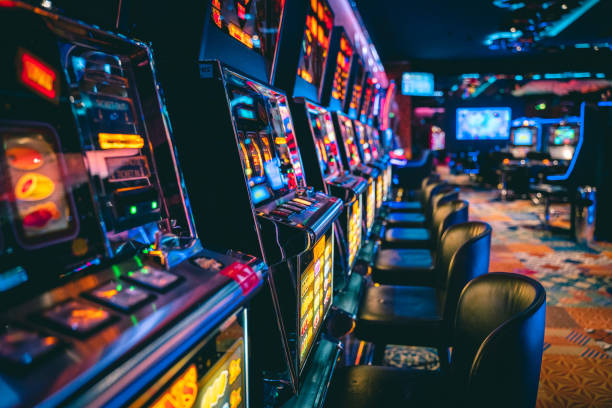
Additionally, casinos are increasingly required to provide information on gambling addiction resources, including hotlines and support groups. By taking these measures, casinos aim to mitigate the risks associated with gambling and promote a culture of awareness. However, the responsibility also lies with the individual to remain vigilant and make informed decisions about their gambling habits.
Despite these efforts, the effectiveness of such measures can vary greatly. Some players may not take the guidelines seriously, viewing them as optional rather than essential. Therefore, while casinos can create an environment that encourages responsible gambling, individuals must actively engage in self-regulation to prevent falling into the trap of excessive gambling. Education and open conversations about gambling can empower players to make better choices and understand their relationship with gambling.
Explore More about Responsible Gambling
Understanding the hidden costs of casino gambling is essential for anyone considering engaging in this form of entertainment. The financial, psychological, and social implications highlight the need for awareness and caution. Players should approach gambling with a clear mind, set strict budgets, and be prepared to walk away when necessary. Resources are available for those who find themselves struggling, and seeking help is a sign of strength, not weakness.
As you navigate the world of gambling, remember that knowledge is power. The more you educate yourself about the potential pitfalls of this activity, the better equipped you will be to make informed decisions. Engaging with others on this topic, whether through forums or support groups, can foster a sense of community and understanding that can help mitigate the risks associated with gambling.
Ultimately, the hidden costs of casino gambling are multifaceted and often underestimated. Recognizing these costs empowers individuals to approach gambling with a healthy mindset, enabling them to enjoy the experience without succumbing to its darker side. It is crucial to remember that gambling should be viewed as a form of entertainment, not a means to financial gain. By fostering a responsible approach, we can mitigate the risks and enjoy gambling in a way that is safe and enjoyable for everyone involved.