
Bulk Ammo Buying Guide: How to Stockpile Rifle and Handgun Rounds for Less
Bulk ammo is simply ammunition purchased in large quantities, usually in sealed boxes or cans, which lets you stock up on your favorite caliber without the per-box markup. Because you’re buying more rounds at once, the cost per shot drops, giving you more trigger time for the same budget. To use it, just store the sealed containers in a cool, dry place and load your magazines or speedloaders straight from the bulk box as needed. That’s the whole idea: more shooting for less money, with no fancy tricks required.
Why Buying Ammunition in Large Quantities Saves You More Than Money
When you buy bulk ammo, you’re not just saving dollars per round—you’re buying **freedom from the anxiety of scarcity**. That brick of 500 rounds sitting in your safe means you never have to ration your practice at the range, so your shooting skills stay sharp because you can actually afford to burn through a hundred rounds every weekend. The real payoff hits when ammo becomes hard to find: instead of freezing up or paying panic prices, you simply dip into your stash and keep training.
Bulk ammo transforms your hobby from a stressful, stop-and-start routine into a consistent, confident habit.
That consistency—showing up, shooting often, and improving without worrying about the next box—is worth more than any coupon or sale price, because it buys you peace of mind and muscle memory that money can’t measure.
How Per-Round Costs Drop When You Purchase by the Case
When you switch from individual boxes to full cases, the price per round drops because manufacturers and distributors price breaks at case quantities, often 500 or 1,000 rounds. That single transaction moves more inventory and reduces their handling, so they pass part of that saving to you—typically cutting five to fifteen percent off the per-round cost. The savings appear immediately on your invoice, not as 7mm WSM Ammo for Sale a rebate. Buying by the case also locks in a stable per-round rate against future price fluctuations, meaning your training budget becomes more predictable. This is how per-round costs drop when you purchase by the case: every additional case you buy pushes the unit price lower, rewarding larger commitments with deeper discounts.
Case purchases slash per-round costs through volume discounts, immediate invoice savings, and price stability—so the bigger the case, the lower the 6.5 PRC Ammo for Sale cost per shot.
The Hidden Savings on Shipping and Handling Fees
Shipping and handling fees are often calculated per box, so buying twenty boxes individually incurs twenty separate weight-based charges. When you purchase bulk ammo, these costs are consolidated into a single shipment, drastically reducing the per-round logistics expense. This hidden saving means the larger the order, the smaller the percentage of your total bill goes to freight carriers. Furthermore, heavier orders often qualify for flat-rate or tiered shipping discounts that are invisible when buying small quantities. By consolidating your purchase, you effectively pay for the package’s weight only once, not multiple times. Consolidated freight on bulk ammo directly translates to more money available for actual ammunition instead of transit overhead.
The hidden saving is simple: bulk ammo bundles shipping fees into one charge, slashing the per-carton Ammunition for Sale handling cost that plagues small orders.
What the Price Per Round Actually Looks Like for Popular Calibers
For 9mm Luger, buying a 1,000-round case typically drops the price per round to roughly 22–26 cents, compared to 30–35 cents for a 50-round box. .223 Remington/5.56 NATO follows a similar curve: bulk 1,000-round lots often land at 40–48 cents per round, while retail boxes hover around 55–65 cents. Even premium defensive calibers like .308 Winchester show a marked break—bulk purchases can reach 75–85 cents per round versus $1.10–$1.30 individually. The gap narrows for rimfire: .22 LR already sits at 6–8 cents per round in bulk, versus 9–12 cents in small boxes. Key takeaways:
- Handgun calibers (9mm, .40 S&W) save 20–30% per round at case quantities.
- Rifle calibers (.223, .308) see the largest absolute dollar drop per round in 500–1,000 round lots.
- Always calculate shipping into the per-round cost—free shipping thresholds often make bulk even cheaper.
This per-round cost breakdown confirms that Handgun Ammo for Sale the savings scale with caliber size, not just volume.
What to Look For When Choosing a Large-Format Ammunition Order
When placing a large-format bulk ammo order, first verify the lot number and manufacturing date to ensure consistent pressure and accuracy across the entire batch. Inspect the packaging integrity—sealed, moisture-resistant cases prevent corrosion during long-term storage, which is critical for bulk quantities. Check the projectile’s seating depth and crimp uniformity by sampling a few rounds; variations multiply in large orders. Confirm the velocity consistency on a chronograph from one box, as extreme spread above 50 fps will ruin your zero at range.
A smart bulk buy isn’t just about price per round—it’s about locking in identical performance for thousands of shots.
Finally, compare the total weight and footprint against your storage and magazine-loading logistics; oversized crates can become a physical burden you didn’t anticipate. Prioritize sellers who provide a ballistic certificate for the exact lot you’re receiving.
Understanding Grain Weight, Bullet Type, and Casing Material
When ordering large-format ammunition, understanding grain weight, bullet type, and casing material directly affects performance and cost efficiency. Heavier grain weights, such as 147 grain in 9mm, offer deeper penetration but lower velocity, while lighter loads like 115 grain produce flatter trajectories. Bullet type divides into full metal jacket for range practice and hollow points for expansion, though the latter often costs more per round. Casing material—brass, steel, or aluminum—determines reloadability and reliability. Brass is the most consistent and reusable, whereas steel resists corrosion but may expand in chambers, and aluminum is lightweight yet single-use. For bulk orders, prioritizing a balance between grain weight and casing durability ensures consistent cycling without overspending on specialty loads.
Matching Your Stockpile to Your Specific Firearm’s Needs
Your rifle’s twist rate, barrel length, and gas system dictate the projectile weight and velocity it will stabilize, so a bulk order that feeds one gun perfectly can keyhole or underperform in another. Before you commit to a massive case, verify the manufacturer’s recommended bullet grain range for your exact model—a 1:7 twist demands heavier 62–77 grain loads, while a 1:12 twist prefers lighter 55 grain rounds. Test a few boxes across your firearm’s magazine and chamber to confirm reliable feeding, as bulk ammo for your specific firearm must cycle flawlessly under rapid fire, not just group well from a bench. Check your action’s pressure tolerance and match the cartridge’s overall length to your magazine’s internal dimensions, then order only that proven load in quantity.

Your stockpile is only as good as its fit for Shotgun Ammo for Sale your rifle’s twist, pressure, and feeding quirks—test first, then buy deep on what your specific firearm demands.

How to Spot High-Quality Factory Loads vs. Cheaper Alternatives
Check the brass first—high-quality factory loads use new, uniform cases with clean primer pockets, while cheaper alternatives often show tarnished, mixed, or re-used brass that can cause feeding hiccups. Feel the cartridge weight; premium rounds have consistent bullet seating, whereas budget loads vary slightly, which hurts accuracy. Examine the crimp—a solid, even roll crimp on the bullet and primer tells you it’s done right, while loose or uneven crimps signal rushed production. For a quick test, shake a single round near your ear; no rattling means the powder charge is stable. Spotting high-quality factory loads also means checking the box for lot numbers and consistent OAL (overall length) data, which cheaper brands often omit.
Q: What’s the fastest visual trick to spot high-quality factory loads vs. cheaper 6.5 Creedmoor Ammo for Sale alternatives?
A: Look at the primer—sealed, flush, and shiny means quality; recessed, scratched, or uneven means you’re holding a budget round.
How to Properly Store a High-Volume Ammunition Supply
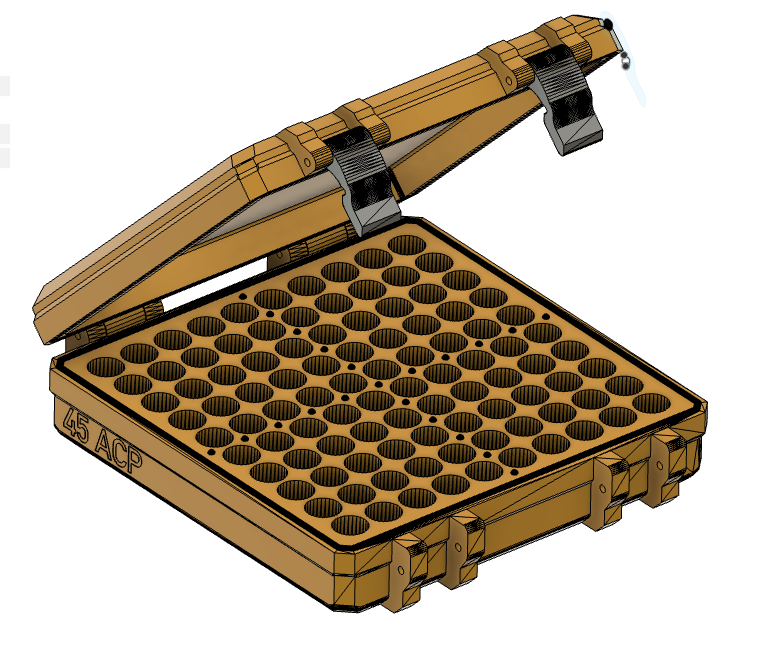
For bulk ammo, proper storage hinges on three pillars: airtight containment, climate control, and rotation. Transfer rounds from factory cardboard into sealed, military-grade .50-cal cans or heavy-duty polymer ammo boxes, adding desiccant packs to absorb residual moisture. Store these containers off concrete floors—use wooden pallets or shelving—to prevent condensation wicking upward. Maintain a stable environment between 55°F and 75°F with humidity below 40%; avoid attics or garages that swing drastically. **Rotate your inventory using a first-in, first-out system**, placing newer bulk purchases behind older lots. Q: How should you organize a high-volume supply? A: By caliber and purchase date, with stacked cans clearly labeled, ensuring heavy weights are low and accessible. Inspect every six months for corrosion or loose primers, and always handle bulk ammo with clean, dry hands to prevent oil or salt transfer that accelerates degradation.
Best Practices for Humidity Control, Temperature, and Containers
For bulk ammo, prioritize stable temperature and low humidity over absolute extremes. Maintain a consistent 60–70°F range; avoid attics or garages where daily thermal swings cause condensation inside containers. Use sealed, military-grade plastic ammo cans with rubber gaskets, adding desiccant packs (silica gel) and replacing them quarterly. Never store loose rounds in cardboard or fabric, which wick moisture. For long-term storage, consider vacuum-sealing with oxygen absorbers inside the can, then placing the can in a climate-controlled closet. Monitor with a hygrometer—keep relative humidity between 30% and 40% to prevent primer corrosion and case tarnishing without drying out propellant.
Stable temperature, 30–40% RH, and airtight gasketed containers with desiccant are the non-negotiable core of humidity, temperature, and container best practices for bulk ammo.
Shelf Life Realities: How Long Will Your Reserve Actually Last?
Your bulk ammo reserve isn’t a timeless treasure; it’s a ticking clock governed by chemistry and climate. Factory-loaded rounds typically remain reliable for a decade or two under ideal conditions, but long-term ammunition storage effectiveness hinges on temperature swings and humidity spikes that degrade powder and primers faster than you expect. Rotate stock by shooting the oldest boxes first, and label every case with purchase year to track true age. That “just in case” hoard from five years ago might already be showing corrosion or weak ignition—so test a sample batch annually before trusting your life to it.
- Primers and powder degrade fastest in attics or garages with extreme heat cycles.
- Sealed military-grade cans outperform cardboard boxes by decades if opened rarely.
- Dark spots on brass or a sour vinegar smell mean chemical breakdown has begun.
- Store in a cool, basement-level closet at 55–65°F to stretch usable life toward 20+ years.
Rotating Your Stockpile to Keep Your Supply Fresh and Reliable
Rotating your stockpile ensures that older ammunition is used first, preventing age-related degradation of primers and powder. Adopt a strict first-in, first-out (FIFO) system by physically moving newly purchased cases to the back of your storage shelf, while pulling older boxes to the front for range use. Consistent rotation preserves ballistic reliability under long-term bulk storage conditions. Label every can or case with the purchase date using a permanent marker; then, during quarterly inventory checks, shift older Rifle Ammo for Sale lots into your active training rotation. Even premium factory loads lose peak velocity and consistency after years of temperature cycling, so rotation is your primary defense against silent performance loss. This habit also lets you verify seals and desiccant packs during each cycle.
- Use dated labels on every container to track lot age at a glance.
- Pull from the oldest batch at least every 60–90 days for practice sessions.
- Reseal and re-desiccate any container opened during rotation to maintain moisture barriers.
Practical Tips for First-Time Bulk Buyers
Start by calculating your actual monthly usage at the range, then multiply by six to set a realistic bulk baseline. Stick to one or two common calibers like 9mm or .223 Remington to simplify inventory tracking and spare-part compatibility. Store ammo in its original factory boxes inside sealed, lidded plastic containers with desiccant packs; rotate stock by labeling each case with a purchase date and using older boxes first. Avoid mixing steel-case and brass-case loads in the same magazine during a single session, as this can cause inconsistent feeding. Verify the lot number on every case before accepting delivery—rejects should be returned immediately. Q: How many rounds should a first-time buyer test? A: Fire 100 rounds from the bulk lot before committing to a large case, confirming reliable function in your specific firearm.
Calculating How Much You Truly Need Based on Your Shooting Frequency
Before you stack ammo deep, track your actual range time over a month to nail down your true burn rate. Count every box you shoot—not what you *think* you’ll shoot—and multiply that by 12 for a yearly baseline. Matching bulk orders to your shooting frequency avoids tying up cash in rounds you’ll never use before next season. Then add a 20% buffer for spontaneous plinking or a friend joining you. If you shoot twice weekly, that’s roughly 200–300 rounds per visit—so plan around 2,400–3,600 rounds annually. For casual monthly shooters, 500–1,000 rounds is plenty. Here’s the sequence:
- Log every range trip for 4–6 weeks.
- Divide total rounds by weeks to get a weekly average.
- Multiply that average by 12, then add 20% for wiggle room.
Buy only that number, and you’ll stay stocked without drowning in unused inventory.
Avoiding Common Mistakes with Caliber Mix-Ups and Lot Numbers
When organizing bulk ammo, the most common error is assuming visual similarities mean interchangeable calibers, which can cause dangerous misfeeds or chamber obstructions. Always segregate cartridges by the exact headstamp and verify them against your firearm’s stamped chamber, especially for look-alike pairs like .40 S&W versus 10mm. Equally critical is treating lot numbers as arbitrary: different lots of the same caliber can vary in pressure, bullet seating, or primer sensitivity. Therefore, track each lot number on your storage container and log its purchase date, then test-fire a small sample from every new lot before committing to a full training session. Never mix partial boxes from different lots, as this destroys your ability to diagnose a bad batch or recall a problematic order. Finally, label all opened packaging immediately, since loose rounds quickly lose provenance.
What to Do If You Encounter a Defective Round in a Large Batch
When a defective round appears in a bulk case, stop shooting immediately and set it aside in a marked container. Never try to mortar, tap, or re-chamber a suspect cartridge—inspect it for setback, cracked necks, or flattened primers. If the round failed to ignite, keep it pointed downrange for 30 seconds before ejecting. Always segregate defective rounds from your main supply to prevent accidental mixing. Photograph the lot number and contact the manufacturer with that batch code; most reputable brands replace faulty ammunition. Clearly label the bad round as “range scrap” and dispose of it at a qualified facility—never in household trash. This discipline protects you and preserves your bulk investment.
Frequently Asked Questions About Stocking Up on Cartridges
When folks first ask about stocking up on cartridges, the real question is rarely “how many boxes” but “how will my gun behave with a thousand rounds of the same lot.” The honest answer: bulk ammo means your firearm gets used to one specific pressure curve and powder burn, so a rifle that groups beautifully with one batch may need a fresh zero after you crack into a new case. People always wonder if storing bricks of cartridges in a garage ruins them—yes, if the temp swings wildly, so keep them in a closet where the climate stays boring. Another frequent one: “Can I mix old and new bulk boxes at the range?” You can, but expect point-of-impact shifts, which is frustrating mid-session. The best rule is to buy enough to train consistently, not so much that you’re still shooting decade-old primers. Rotate your stock like perishable food. Shoot the oldest first, always. If you’re honest with yourself, you’ll realize that the *real* FAQ isn’t about saving money—it’s about trusting that your ammo will still fire straight when you finally need it. That trust only 7mm-08 Ammo for Sale comes from actually burning through what you hoard.
Is It Cheaper to Buy in Bulk or Reload Your Own?
For most shooters, reloading your own ammunition is cheaper per round than buying bulk ammo—but only after you absorb the initial equipment cost (press, dies, scale, cases). Bulk Rimfire Ammo for Sale factory ammo wins on time and convenience; reloading wins on long-term savings, especially for high-volume calibers like 9mm or .223, where you can cut costs by 30–50% if you already collect your brass. However, if you shoot fewer than 1,000 rounds yearly, bulk buys often beat reloading due to component scarcity and setup overhead. Primer and powder prices fluctuate, so compare current bulk prices against your reloading recipe’s per-round cost before committing.
**Q: Is it cheaper to buy in bulk or reload your own?**
A: Reloading is cheaper per round once you amortize gear over several thousand loads; bulk ammo is cheaper only for low-volume shooters or when components spike.
Can You Mix Different Brands and Lots in the Same Magazine?
Yes, you can mix different brands and lots in the same magazine, but it is not recommended for consistent performance. While the firearm will typically cycle, mixing ammunition lots can cause point-of-impact shifts and reliability variations due to differences in bullet weight, case length, and powder charge. For bulk ammo, this matters specialty sports because a single lot from one brand ensures uniform pressure and recoil impulse. When you load mixed cartridges, you may experience occasional failures to feed or extract if one brand has a slightly rougher case rim. For defensive or competition use, always test each brand and lot separately first. For plinking, mixing is acceptable but expect zero changes between boxes.
What’s the Best Way to Transport a Large Purchase Safely?
For a bulk ammo pickup, the safest transport method hinges on secure, stable containment. Use heavy-duty, compartmentalized ammo cans or a rigid, latch-lidded plastic crate, never loose bags that shift during turns. Place the containers flat on the vehicle floor, wedged against the seats or tied down with ratchet straps to prevent dangerous sliding. Keep the load out of direct sunlight and away from heat sources, as temperature spikes can degrade primers. Drive directly home without unnecessary stops, and avoid leaving the purchase unattended in a visible trunk. Secure, flat, and immobile storage is your primary defense against accidents. Sliding is the biggest hazard, so double-check stability before moving.
Best practice: lock cartridges in rigid ammo cans, strap them flat to the floor, and drive non-stop to your destination.