
The Allure of the Jackpot
The thrill of casino gambling often stems from the tantalizing possibility of hitting the jackpot. This allure can trigger a rush of dopamine, a neurotransmitter associated with pleasure and reward. When players engage in gambling, they experience excitement and hope, which can often overshadow the risks involved. As such, many players are naturally drawn to best casinos not on gamstop, where the chance of winning is ever-present, creating a powerful psychological pull that keeps individuals returning to the tables or slot machines.
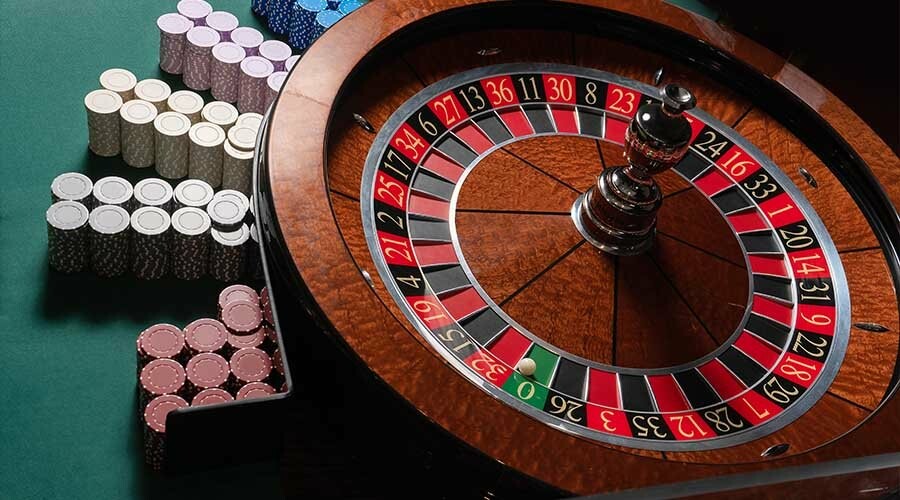
Additionally, the design of casinos plays a crucial role in enhancing this experience. Bright lights, vibrant colors, and enticing sounds create an immersive environment that keeps players engaged. This strategic design exploits our psychological predisposition towards risk-taking, making it easy to forget the potential consequences of gambling.
Cognitive Biases and Gambling
Humans possess numerous cognitive biases that can significantly impact decision-making, especially in gambling scenarios. One prevalent bias is the illusion of control, where individuals believe they can influence random outcomes. This belief can lead gamblers to engage in riskier behavior, often justifying their bets based on flawed reasoning.
Another cognitive bias at play is the gambler’s fallacy, which leads individuals to think that past events influence future outcomes. For instance, a player might believe that after a series of losses, a win is more likely. These biases contribute to a distorted perception of risk, making the act of gambling seem less dangerous than it truly is.
Emotional Factors in Gambling
Emotions play a significant role in our decision to gamble. For many, casinos provide an escape from the stresses of everyday life, offering a temporary reprieve through the thrill of gaming. This emotional high can often overshadow rational decision-making, as individuals chase the high that comes with winning or the excitement of a near miss.
Furthermore, individuals may gamble to cope with negative emotions such as depression or anxiety. This maladaptive coping mechanism can lead to increased gambling, creating a cycle of risk-taking behavior that can have serious financial and personal consequences. Understanding the emotional factors at play can shed light on why people voluntarily engage in high-risk activities.
The Social Aspect of Gambling
Gambling is not solely an individual pursuit; it often carries significant social implications. Casinos are designed to foster social interactions, encouraging camaraderie among players. This social environment can amplify the desire to take risks, as individuals may feel pressure to conform to group behaviors or enhance their social standing through shared experiences.
In many cases, the social aspect of gambling can reinforce positive feelings associated with winning, creating a feedback loop that encourages continued participation. The blend of shared excitement and competition can make the thrill of gambling even more enticing, driving individuals to take risks they might otherwise avoid in solitary settings.

Understanding Casino Security and Risk Management
While the psychological aspects of gambling reveal why individuals take risks, it is essential to consider how casinos manage these risks. Casinos employ sophisticated security systems to ensure fair play and maintain a safe environment for all patrons. From surveillance cameras to random audits, they implement measures designed to deter fraudulent activities and protect the integrity of the games.
Understanding the balance between encouraging play and ensuring safety is crucial for both players and casino operators. The presence of effective security measures can enhance customer trust, allowing for a more enjoyable gambling experience where players can focus on the thrill of the game without unnecessary concerns about fairness or safety.